
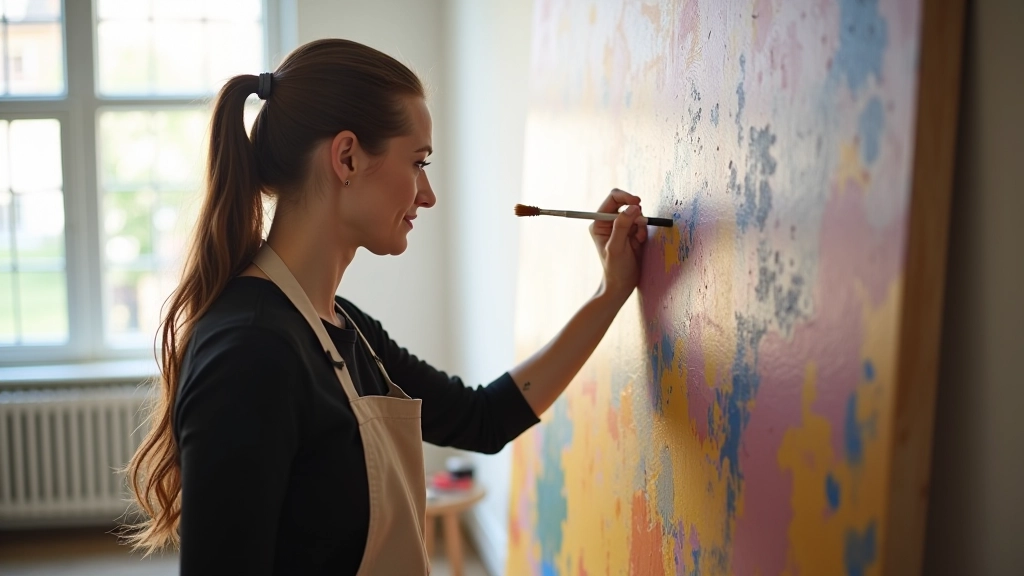
Mixed-Media Installations: Beyond Traditional Canvas
Discover how contemporary artists are expanding abstract expressionism through innovative mixed-media techniques and large-scale installations that challenge the boundaries of what art can be.
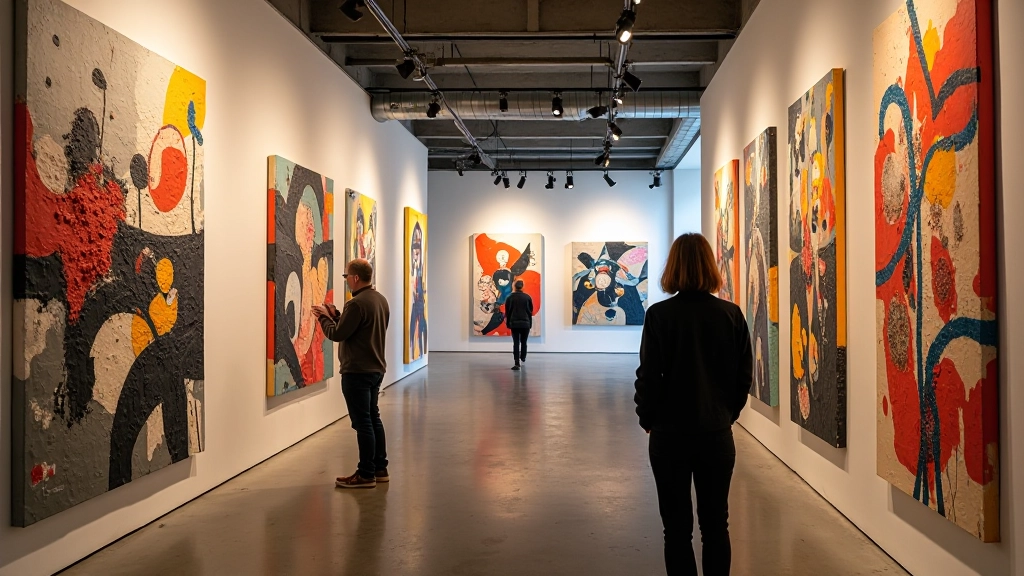
Beyond the Canvas: A New Artistic Language
For decades, abstract expressionism meant paint on canvas — bold strokes, emotional intensity, pure gesture. But that's changing. Artists aren't abandoning these principles; they're expanding them. They're combining canvas with materials you'd never expect: textiles, metals, found objects, light, and even spatial dimensions that transform entire rooms into living artworks.
What makes mixed-media installations so compelling? It's the ability to engage multiple senses simultaneously. You don't just see color and form — you experience texture, shadow, scale, and presence. The work becomes a dialogue between artist intention and viewer perception, creating something neither could achieve alone.
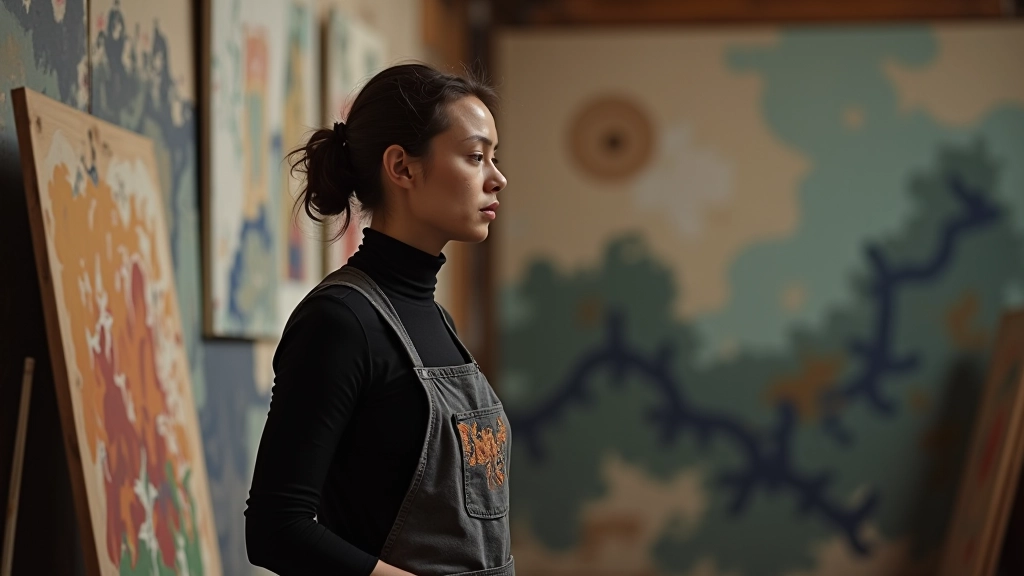
Core Techniques Transforming the Field
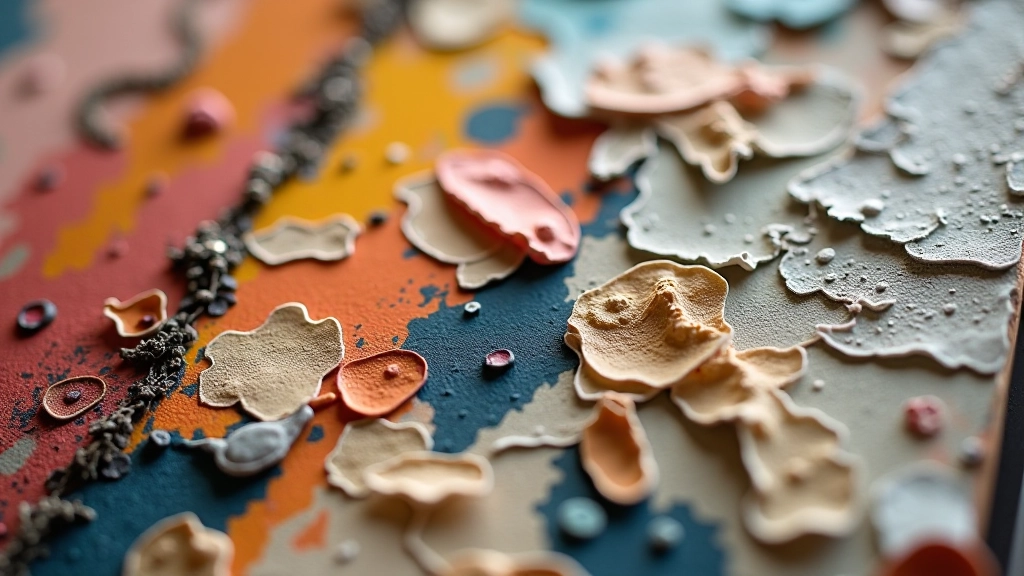
Contemporary mixed-media artists employ several key approaches. First, there's material layering — building compositions using paper, textiles, and organic materials beneath or alongside paint. This creates depth that flat canvas simply can't achieve. Second, sculptural integration combines three-dimensional elements directly into wall-based works, making them pop off the surface.
Textural Layering
Building compositions with paper, fabric, wire, and paint. Artists often apply 12-15 layers, creating surfaces that catch light differently at each viewing angle. The tactile quality becomes as important as the visual.
Spatial Installation
Transforming entire rooms into immersive environments. These installations often require viewers to move through space, experiencing the work from multiple perspectives. Gallery walls become part of the composition itself.
Light Integration
Using projected light, neon, and natural illumination to activate surfaces. Light becomes a material itself — it reveals textures, creates shadows, and changes how viewers perceive color and form throughout the day.
Found Object Integration
Incorporating reclaimed wood, metal scraps, discarded textiles, and other materials. This approach grounds abstract work in real-world context, creating unexpected conversations between intention and accident.
The Artist's Process: From Concept to Installation
Creating a mixed-media installation isn't like traditional painting. It requires different thinking. Most artists start with a spatial concept rather than a single image. They're asking: What does this gallery space need? How do I want people to move through it? What emotional response am I after?
The physical process unfolds in phases. Preparation takes weeks — sourcing materials, testing combinations, creating small studies. Installation itself is intense. Artists work directly in the gallery space, responding to light conditions, wall textures, and how materials actually behave at scale. It's not precious or predetermined. Changes happen on-site because sometimes a material catches light differently than expected, or a color interaction surprises you.
"You can't control everything. The best installations embrace that uncertainty — they're conversations between intention and accident."
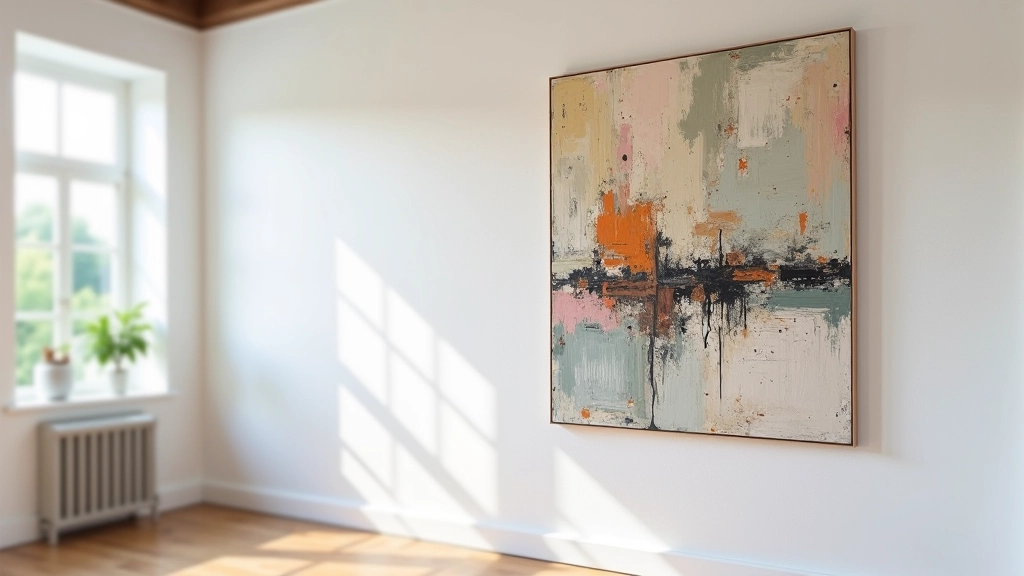
Why This Matters: The Viewer Experience
Mixed-media installations demand something different from viewers. They require presence. You can't fully experience one from across the room or in a photograph. The scale, the texture, the way light hits a surface — these demand physical proximity.
This shift matters because it's reconnecting art with embodied experience. After years of digital reproduction and virtual galleries, there's renewed hunger for works you can't capture on your phone. Artists working in mixed-media understand this. They're creating installations specifically designed for lived experience.
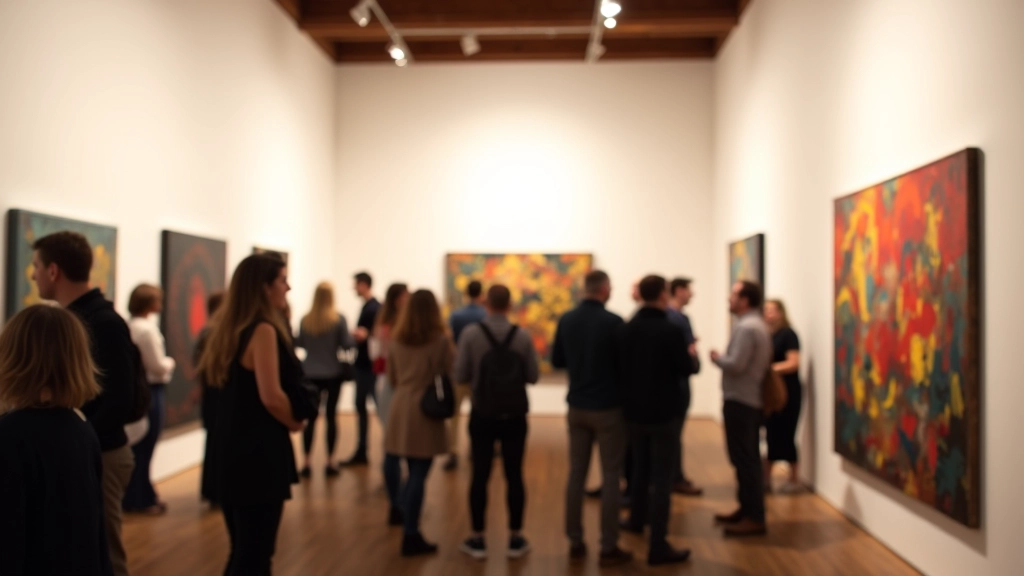
Our gallery hosts monthly opening receptions where visitors encounter these works firsthand. The conversations are different than with traditional paintings. People talk about what they felt, how the scale made them move, what surprised them when they looked closer. That's the real power of this medium.
Our Twelve-Week Artist Residency Program
We've seen firsthand how mixed-media work thrives when artists have dedicated space and time. That's why our residency provides full studio access, equipment, and mentorship for twelve weeks. Artists arrive with concepts; they leave with completed installations ready for exhibition.
Dedicated Studio Space
Large, naturally lit studios with high ceilings and industrial equipment. Residents work with complete access to tools, materials library, and technical support. Most residents produce 3-5 completed pieces during their twelve-week stay.
Mentor Collaboration
Regular sessions with established artists who've shown nationally. These aren't critiques in the traditional sense — they're conversations about process, material choices, and how your work speaks in physical space.
Gallery Documentation
Professional photography and archival documentation of finished works. Resident artists receive high-quality images for their portfolios, plus publication in our quarterly online exhibition catalogue.
The Future of Abstract Expression
Mixed-media installations represent something essential in contemporary art: the refusal to accept boundaries. These artists aren't abandoning abstraction or expressionism. They're saying those traditions can include more than we previously imagined.
Whether it's textile and paint, found objects and light, or spatial interventions that transform entire rooms — this work creates genuine encounters between artist intention and viewer presence. That's powerful. That's why we dedicate our gallery space to these artists, why we host monthly opening receptions, and why our twelve-week residency prioritizes artists pushing these boundaries.
If you're interested in experiencing this work directly, our next opening reception is coming up. You'll see what we mean about the difference between viewing a photograph and standing in front of something that's been built, textured, and installed with intention. It changes how you see art.
Related Articles
About This Article
This article provides educational information about mixed-media installation techniques and contemporary abstract expressionism. It's designed to help artists, students, and art enthusiasts understand the practices, processes, and philosophies behind this artistic approach. The techniques, perspectives, and information shared reflect current practices within our gallery and residency program, though individual artists may employ these methods differently. For specific artistic guidance or technical instruction, we recommend consulting directly with practicing artists, instructors, or attending our gallery events and residency program.